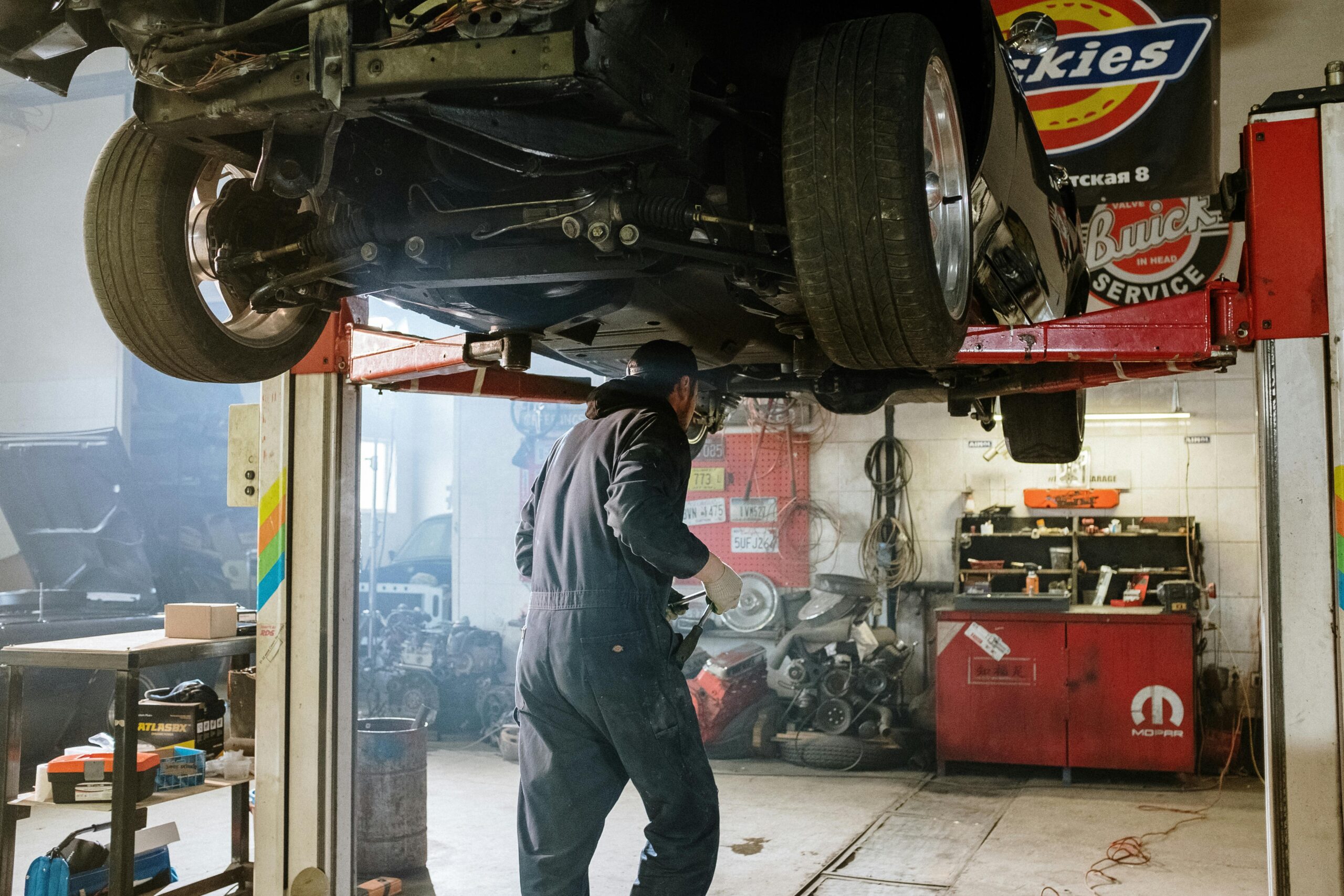
Most people think productivity is about doing more, moving faster, or squeezing extra hours out of the day. But high performers understand something different: true productivity comes from maintaining the systems that support your output. It’s no different than how you treat your car—something many people only think about when it breaks down. That’s why businesses and individuals who value reliability often turn to Max Auto Service La Mesa as a reminder that consistent maintenance always beats last-minute fixes.
The lesson is simple, but often ignored.
Neglect compounds.
Small Problems Don’t Stay Small
In both life and work, the biggest disruptions rarely come out of nowhere. They start as small, manageable issues that get ignored over time.
A missed deadline here. A disorganized process there. A task you keep putting off because it “isn’t urgent.”
It’s the same pattern you see with a vehicle.
A slight noise. A warning light. A subtle performance issue.
None of it feels urgent—until it is.
And by the time it demands your attention, the cost has multiplied.
The Hidden Tax of Reactive Living
When you operate in a reactive mode, everything becomes more expensive.
- Problems take longer to fix
- Decisions are rushed instead of strategic
- Stress increases, clarity decreases
- Time gets consumed by emergencies instead of progress
This is the hidden tax of neglect.
It’s not just the immediate problem—it’s the ripple effect it creates across everything else.
One breakdown can derail your entire day. One neglected system can slow down an entire business.
Preventative Maintenance as a Mindset
The most productive people don’t just work harder—they think differently.
They adopt a maintenance mindset.
Instead of waiting for things to fail, they build habits that prevent failure in the first place.
They review, refine, and reinforce the systems they rely on.
They understand that consistency beats intensity.
And most importantly, they don’t ignore signals.
Whether it’s a drop in performance, a recurring issue, or a process that feels inefficient, they address it early—before it becomes expensive.
Systems Create Freedom
There’s a common misconception that structure limits freedom.
In reality, the opposite is true.
Well-maintained systems create freedom by eliminating chaos.
When your processes are reliable:
- You spend less time troubleshooting
- You make decisions faster
- You operate with more confidence
- You free up mental energy for higher-level thinking
It’s the difference between constantly putting out fires and actually building something meaningful.
Your car is a perfect example.
When it’s maintained properly, you don’t think about it. It just works.
And that’s exactly how your workflows, habits, and operations should function.
The Compounding Effect of Discipline
Maintenance isn’t exciting.
It doesn’t feel urgent. It doesn’t deliver instant results. And it rarely gets recognition.
But it compounds.
Every small action you take to maintain your systems—whether it’s organizing your workflow, reviewing your numbers, or handling minor issues early—builds long-term stability.
Over time, that stability turns into momentum.
And momentum is what separates average performance from exceptional results.
Why Most People Ignore This
If maintenance is so powerful, why do so many people ignore it?
Because it’s easy to delay.
There’s always something more urgent, more visible, or more immediately rewarding.
Maintenance lives in the background. It’s quiet. It doesn’t demand attention.
Until it does.
And when it finally does, the cost is always higher than it would have been earlier.
A Better Approach
If you want to operate at a higher level—whether in business or in life—you have to shift from reactive to proactive thinking.
Start small:
- Identify one system you rely on daily
- Look for inefficiencies or weak points
- Fix them before they escalate
- Build a habit of regular review
This isn’t about perfection. It’s about consistency.
Because the goal isn’t to eliminate problems entirely.
It’s to prevent small problems from becoming big ones.
Final Thought
Productivity isn’t about how much you can handle when things go wrong.
It’s about how well you prevent things from going wrong in the first place.
The people who move the fastest, grow the most, and stay the most consistent aren’t constantly reacting—they’re maintaining.
They understand that neglect always has a cost.
And the longer you wait, the more you pay.